


What Is a Pin Leveller and How Is It Used?
Self-levelling compounds are designed to flow across a prepared floor, but the name can be slightly misleading. The material still needs to be distributed at the correct thickness and guided into position before it begins to set.
A pin leveller helps flooring contractors spread a levelling or smoothing compound evenly across a subfloor. Used correctly, it provides greater control over the depth of the material and helps create a consistent base for the final floor covering.
What Is a Pin Leveller?
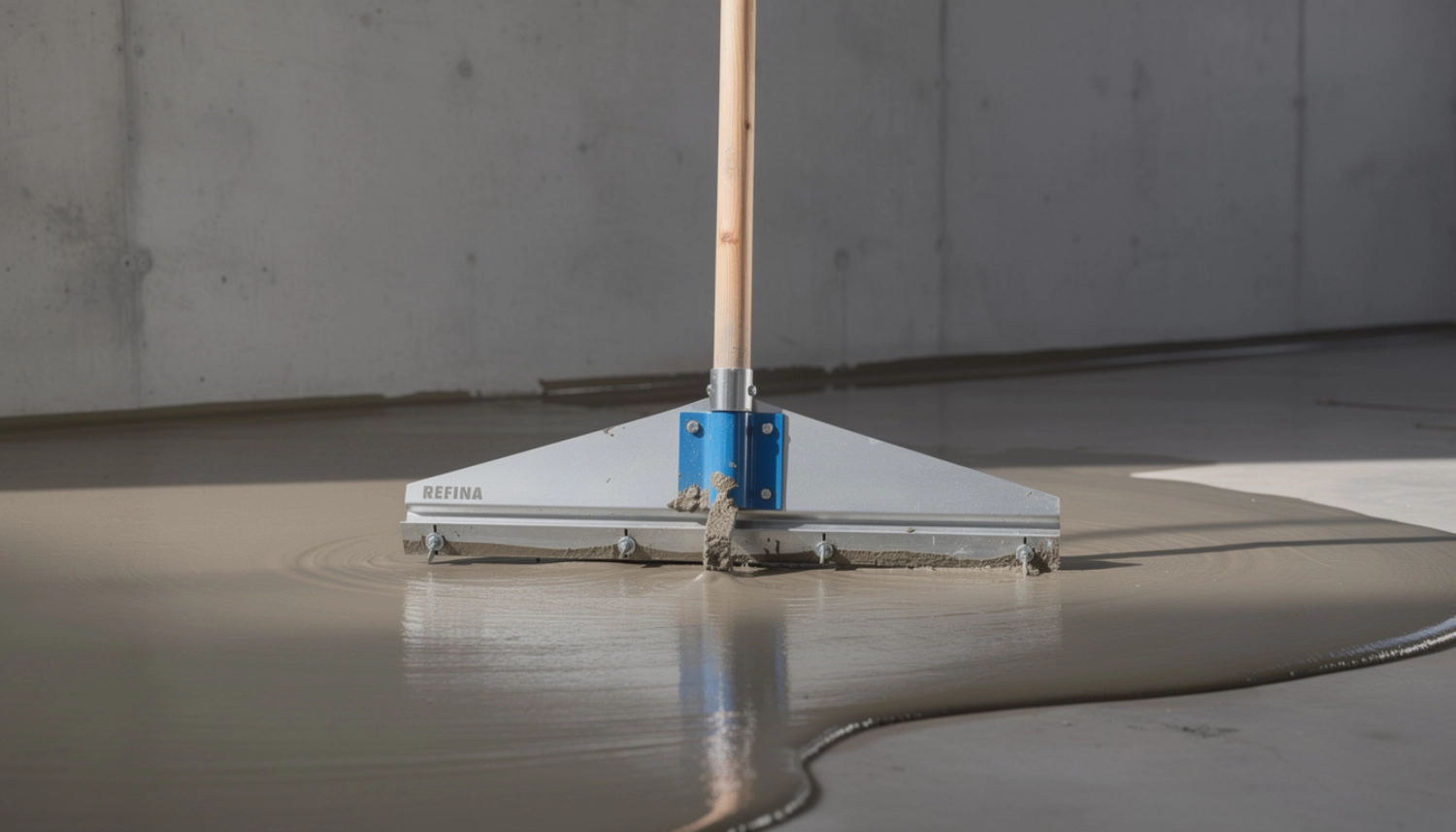
A pin leveller is a specialist flooring tool with a wide horizontal blade or bar fitted with adjustable pins. The pins are set to the required application depth and the tool is moved through freshly poured levelling compound.
Rather than simply pushing the material across the floor, the pins help maintain a controlled gap between the tool and the substrate. This allows the compound to be distributed more consistently across the working area.
Pin levellers are often supplied with a long handle so the installer can work from a standing position and reach across a larger area without repeatedly kneeling in the wet material.
Why Does Self-Levelling Compound Need a Levelling Tool?
Self-levelling compound has much better flow characteristics than a traditional sand-and-cement screed. However, it does not independently decide where it is needed or guarantee the correct depth across the entire floor.
The installer must still:
- Pour the material in the correct sequence
- Move it into corners and around obstacles
- Join adjoining pours while they remain workable
- Maintain the specified thickness
- Avoid leaving high spots, thin areas or dry sections
A pin leveller helps with this initial distribution. Once the material has been placed evenly, a spiked roller or other finishing tool may be used where required by the compound manufacturer to release trapped air and blend the poured sections.
Always follow the instructions for the particular levelling compound because the preparation, working time, application depth and finishing method can vary considerably between products.
How Do the Adjustable Pins Work?
The pins can be raised or lowered to suit the intended application thickness. When the leveller is drawn through the wet compound, the adjusted pins help keep the working edge at a consistent height above the subfloor.
The setting should be checked before work begins and matched to the required thickness of the chosen compound. The tool controls the wet application; it cannot compensate for unsuitable preparation, an incorrectly mixed product or a floor that requires repairs before levelling.
It is also important to remember that application thickness may not be identical across a badly uneven substrate. Some sections may require more material than others to produce the finished level, so the floor should be surveyed and the quantity of compound calculated before mixing starts.
Preparing the Subfloor
Good results begin before the levelling compound is poured. The substrate should be assessed to confirm that it is sound, stable and suitable for the intended flooring system.
Preparation may include:
- Removing dust, grease, adhesive residues and loose material.
- Repairing cracks, holes and weak or damaged areas.
- Checking the floor for excessive moisture.
- Mechanically preparing smooth or contaminated surfaces where necessary.
- Applying the correct primer at the specified coverage rate.
- Allowing the primer to dry or reach the condition stated by its manufacturer.
Skipping these stages can lead to poor adhesion, pinholes, cracking or debonding, even when the levelling compound itself has been applied evenly.
How to Use a Pin Leveller
The precise method should follow the levelling compound manufacturer’s instructions, but the general process is:
- Plan the work area. Decide where pouring will begin and make sure there is a clear route out of the room.
- Set the pins. Adjust them to suit the specified application depth and check the setting across the width of the tool.
- Mix the compound accurately. Use the stated quantity of clean water and the recommended mixing equipment. Adding extra water to improve flow can reduce performance.
- Pour in manageable sections. Work within the product’s stated working time and maintain a wet edge between batches.
- Distribute the material. Move the pin leveller steadily through the compound, guiding it across the floor without repeatedly overworking the same area.
- Finish as specified. Use a spiked roller or smoother if required for the chosen product.
- Clean the tools promptly. Levelling compounds can be difficult to remove after they have hardened.
The ARDEX 24-inch Pin Leveller available from ScreedGiant has adjustable pins and a wide working area, making it suitable for distributing compatible self-levelling and smoothing compounds across subfloors.
Common Mistakes to Avoid
Assuming the Compound Will Level Without Assistance
Good flow does not remove the need for controlled placement. Material left in one area may begin to set before it has been distributed across the floor.
Adding Too Much Water
Excess water may make a compound appear easier to spread, but it can affect strength, drying and surface quality. Measure the water for every batch.
Incorrect Pin Adjustment
Pins set too high or too low can produce an application depth that differs from the specification. Check the setting before pouring and make sure it remains secure during use.
Working Without Enough Material or Labour
Levelling compounds often have limited working times. Calculate the required quantity beforehand and organise enough people to mix, carry, pour and distribute the material continuously.
Neglecting Subfloor Preparation
A smooth-looking finish can still fail if it is bonded to dust, contamination or a weak substrate. Preparation and priming are fundamental parts of the installation.
Pin Leveller, Smoother or Spiked Roller?
These tools perform related but different jobs:
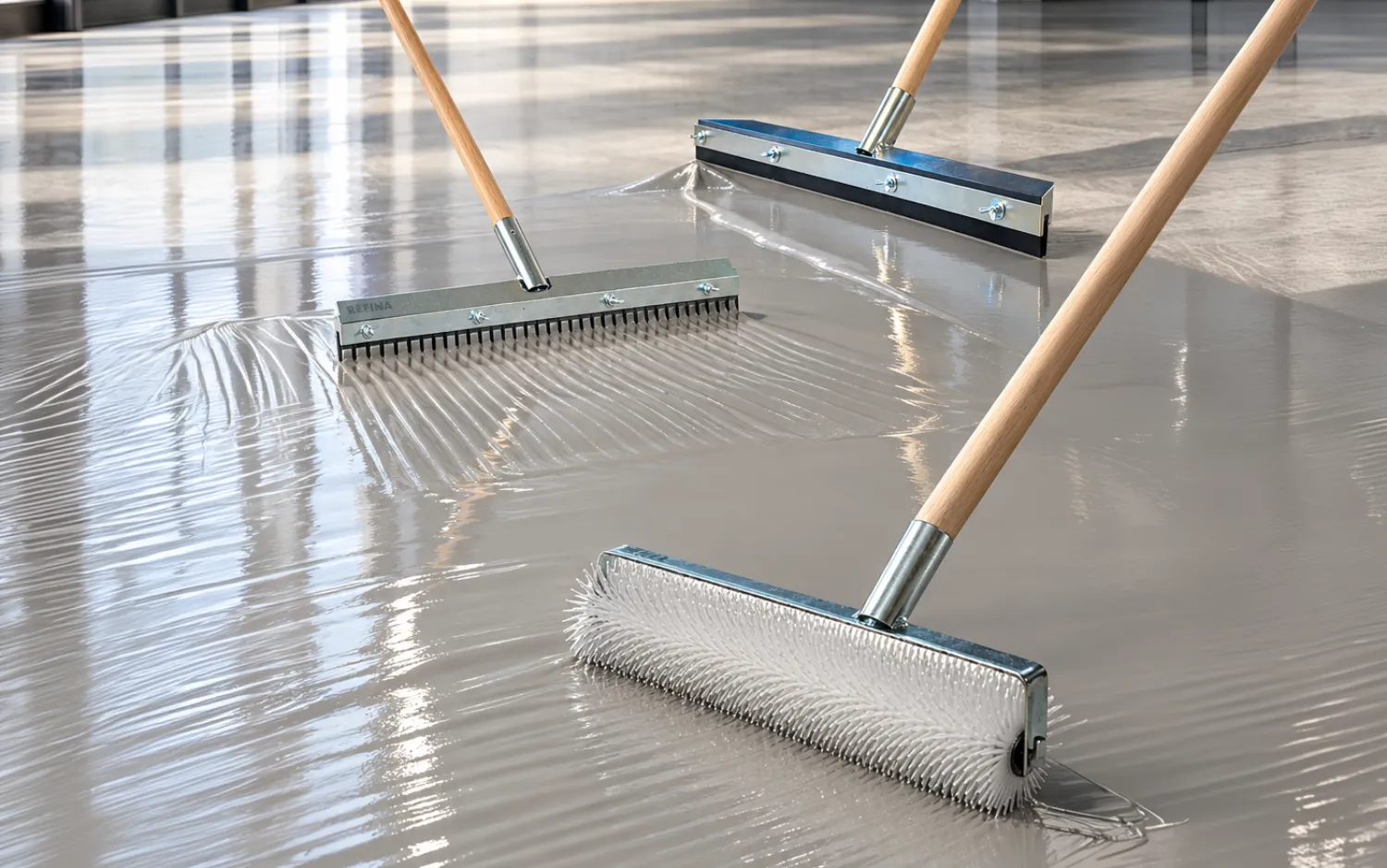
- A pin leveller distributes the compound and helps control its application depth.
- A smoother lightly finishes the surface and helps blend adjoining pours.
- A spiked roller helps release trapped air and merge wet edges where its use is recommended.
One tool does not necessarily replace the others. The correct combination depends on the levelling product, the floor area and the finish required.
Creating a Better Base for the Finished Floor
A level and properly prepared subfloor provides a better base for tiles, vinyl, carpet, wood flooring and other finishes. The pin leveller may appear to be a simple tool, but its adjustable depth control can make it much easier to apply a smoothing compound consistently across a large area.
For the best results, prepare the substrate carefully, mix the compound exactly as directed and organise the installation before pouring begins. If there is any uncertainty about moisture, substrate condition or product compatibility, obtain advice from the flooring-product supplier or manufacturer.
View the ARDEX 24-inch Pin Leveller at ScreedGiant or contact the team for help choosing suitable flooring tools and preparation products.